

A Kilimanjaro climb represents one of the world’s most accessible yet profoundly challenging mountain adventures. This magnificent volcanic massif, piercing the East African sky at 5,895 meters, has captivated adventurers since German geographer Hans Meyer first reached its summit in 1889. Today, Mount Kilimanjaro welcomes thousands of climbers annually who share a common dream: standing atop Africa’s highest point and experiencing the indescribable satisfaction of conquering one of the Seven Summits. What distinguishes Kilimanjaro from other major peaks is its unique blend of achievability and authentic challenge—no ropes, ice axes, or technical skills required, yet the mountain demands respect, preparation, and resilience that test even experienced outdoor enthusiasts.
The Allure of a Kilimanjaro Climb
Mount Kilimanjaro’s magnetic appeal transcends its impressive statistics. This dormant stratovolcano creates a dramatic landscape unlike anything else on Earth, rising from African savanna through montane forests, heath zones, alpine deserts, and finally to glaciated summit zones—all within a single week’s journey. The mountain’s three volcanic cones—Kibo, Mawenzi, and Shira—tell geological stories spanning millennia, with Kibo’s crater still releasing volcanic gases that remind climbers they’re traversing an active geological system.
The cultural tapestry surrounding Kilimanjaro adds depth to the physical adventure. The Chagga people have cultivated the mountain’s lower slopes for generations, developing sophisticated irrigation systems and agricultural practices adapted to volcanic soils. Their spiritual connection to Kilimanjaro, viewing it as sacred and inhabited by ancestral spirits, transforms your climb from mere recreation into an experience rich with cultural significance. Learning basic Swahili phrases and understanding local customs enriches interactions with guides, porters, and communities whose lives intertwine with the mountain.
The ecological journey distinguishes Kilimanjaro from destination peaks reached by vehicle or cable car. Your feet carry you through five distinct climate zones, each supporting unique flora and fauna adapted to specific altitude bands. Spot colobus monkeys swinging through rainforest canopy, observe otherworldly giant groundsels dotting heath zones, and witness how life gradually disappears as you ascend into barren alpine desert where only the hardiest lichens survive. This biological progression provides continuous educational value throughout your journey.
Route Selection and Strategic Planning
Your route choice fundamentally shapes every aspect of your Kilimanjaro climb experience. Seven established routes provide options addressing different priorities, timelines, and risk tolerances, with dramatic variance in success rates, scenery, traffic levels, and difficulty profiles.
The Marangu Route’s hut accommodations appeal to those uncomfortable with camping, but this comfort comes at a cost. The standard five-day itinerary gains altitude too rapidly for optimal acclimatization, contributing to success rates barely reaching 60%. The same trail up and down reduces scenic variety, while heavy traffic creates a conveyor-belt atmosphere. However, an optional sixth day with an acclimatization stop significantly improves outcomes. Consider Marangu only if camping is absolutely unacceptable and commit to the longer six-day itinerary.
The Machame Route has earned its popularity through intelligent design balancing challenge, beauty, and acclimatization effectiveness. The six to seven-day profile implements elevation gain and loss patterns that stimulate adaptation while avoiding dangerous overexertion. Scenic highlights include traversing the Shira Plateau, scrambling up the Barranco Wall (an exciting non-technical section), and approaching the summit from the south. Success rates of 80-85% reflect the route’s effective design, though popularity means sharing trails and campsites with many other groups.
The Lemosho Route approaches from the west, offering exceptional scenery through remote wilderness before joining the Machame Route for the final approach. The seven to eight-day itinerary begins at lower elevation than most routes, allowing gradual adaptation that yields success rates consistently exceeding 90%. Remote initial sections provide wilderness atmosphere increasingly rare on Kilimanjaro’s busier routes. Higher costs reflect extended duration and longer approach logistics, but dramatically improved summit probability justifies the investment for most climbers.
The Rongai Route’s northern approach provides the gentlest gradients and driest conditions, making it attractive for those seeking easier terrain or climbing during wetter months. The six to seven-day timeline produces respectable 75-80% success rates. Scenery is less dramatic than western routes, but lower traffic and authentic remoteness appeal to wilderness-oriented climbers. Consider Rongai if you have knee concerns making steep descents problematic or if climbing during shoulder seasons when southern routes receive more precipitation.
The Northern Circuit represents the ultimate Kilimanjaro experience for those prioritizing summit success above all else. This eight to nine-day circumnavigation provides unmatched acclimatization through gradual ascent and extended duration at altitude. Success rates regularly exceed 95%—as close to guaranteed as mountain climbing permits. The complete circumnavigation showcases Kilimanjaro from every angle, revealing landscape diversity and perspectives unavailable on single-aspect routes. Premium pricing reflects extended guided services, but for many climbers, near-certain summit success justifies the additional investment.
The Umbwe Route caters exclusively to experienced climbers seeking maximum challenge. This steep, direct five to six-day ascent tests fitness and altitude tolerance through rapid elevation gain. Success rates around 60% reflect the demanding profile. Consider Umbwe only if you have substantial prior high-altitude experience and excellent fitness—it’s not a route for first-time high-altitude climbers.
Building Physical Readiness
Physical preparation determines whether your Kilimanjaro climb becomes a triumphant achievement or a disappointing struggle. The multi-day sustained effort at progressively higher altitudes demands specific fitness qualities developed through structured training over several months.
Aerobic endurance forms your foundational capacity. Your cardiovascular and respiratory systems must deliver oxygen efficiently to working muscles despite decreasing atmospheric oxygen at altitude. Build this capacity through four to five weekly aerobic sessions including hiking, running, cycling, rowing, or swimming. Start with 45-60 minute sessions at moderate intensity, gradually extending to 90-120 minutes over several months. Consistency matters more than occasional heroic efforts—regular moderate training builds sustainable capacity that translates to mountain performance.
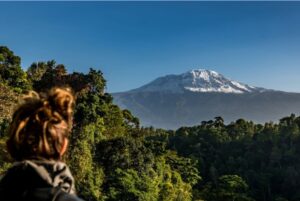
Hiking-specific conditioning provides the most direct preparation for your Kilimanjaro climb. Weekly long hikes with weighted packs simulate actual climb demands while revealing equipment issues and physical weak points before they become problems. Begin with 2-3 hour hikes carrying 8-10 kilograms, progressively extending to 6-8 hours with 12-15 kilograms. Seek terrain featuring sustained ascents and steep descents, as flat hiking doesn’t adequately prepare muscles for climbing’s specific demands. These extended hikes also build mental familiarity with sustained exertion and mild discomfort.
Muscular strength and endurance prevent fatigue-related injuries and maintain movement efficiency despite accumulated tiredness. Emphasize leg strength through squats, lunges, step-ups, and calf raises, using moderate resistance with higher repetitions (15-20) to build endurance rather than maximum strength. Core stability through planks, dead bugs, and rotational exercises maintains proper posture while carrying loads. Back strength via rows and pull-ups supports upright positioning despite pack weight and fatigue.
Flexibility and mobility work maintains joint health and movement efficiency. Regular stretching, yoga, or dynamic mobility routines prevent the muscle tightness and joint stiffness that increase injury risk and reduce performance. Focus on ankles, hips, hamstrings, and shoulders—areas bearing significant stress during climbing.
Mental preparation deserves equal attention to physical training. Summit night’s combination of extreme cold, altitude effects, darkness, and fatigue creates psychological challenges testing resolve as severely as physical capacity. Develop mental resilience through visualization exercises where you mentally rehearse difficult scenarios, building familiarity with discomfort and crafting positive self-talk strategies. Practice maintaining determination during difficult training sessions, developing the inner voice that will sustain you when your body protests.
Gear Systems for Extreme Conditions
Equipment selection and preparation significantly impact your comfort, safety, and performance during your Kilimanjaro climb. The mountain’s 50-degree temperature range and varied terrain demand versatile, reliable gear that performs across extreme conditions.
Clothing layering systems must accommodate dramatic temperature swings from tropical rainforest heat to arctic summit cold. Build a three-layer system providing maximum versatility: moisture-wicking base layers in merino wool or synthetics, insulating mid-layers including fleece and down jackets, and waterproof-windproof outer shells. Bring multiple base layer options for rotation, as laundry isn’t available. Avoid cotton entirely—it absorbs moisture and loses insulating properties when wet, creating dangerous cooling.
Lower body clothing includes lightweight hiking pants for warm lower elevations, insulated pants for cold high camps, and waterproof pants for rain and snow protection. Many climbers layer base layer bottoms under hiking pants, adding insulated pants for cold camps and summit night. This layering approach provides more versatility than single heavyweight pants.
Footwear demands significant investment and preparation. Waterproof hiking boots with full ankle support, substantial insulation, and aggressive tread are essential. The boots must fit perfectly with your planned sock system—test extensively during training. Break them in thoroughly through at least 80-100 kilometers of hiking to prevent blisters. Bring multiple sock pairs combining thin liner socks with thicker hiking socks. Gaiters prevent scree, snow, and debris from entering boots during summit night’s loose terrain.
Hand and head protection includes insulated gloves for camps, waterproof shell mittens for summit night, warm hat or balaclava, sun hat for lower elevations, and neck gaiter or buff. Layering thin gloves under insulated gloves under shell mittens provides maximum warmth and versatility for summit night’s extreme cold.
Sleeping systems must handle high camp temperatures dropping to -20°C or colder. Four-season sleeping bags rated to at least -15°C ensure comfortable sleep, with -20°C ratings providing extra security for cold sleepers. Sleeping bag liners add 5-10 degrees of warmth while keeping your bag clean. Insulated sleeping pads prevent ground heat loss—even the best sleeping bag can’t overcome cold ground stealing your warmth.
Technical accessories include trekking poles for reducing knee impact and improving stability, headlamp with spare batteries for summit night, sunglasses with UV protection and side shields, SPF 50+ sunscreen, lip balm with high SPF, and water bottles or hydration systems holding at least three liters. Hand warmers provide emergency warmth during summit night, while water bottle insulation prevents freezing.
Operator Selection and Value Assessment
Your climbing operator choice profoundly influences safety, comfort, summit probability, and ethical impact. With hundreds of operators competing for business, distinguishing quality services from budget compromises requires careful evaluation.
Safety infrastructure should dominate your assessment. Quality operators employ guides with Wilderness First Responder certification or higher, maintain comprehensive first aid supplies including supplemental oxygen, carry reliable communication equipment (satellite phones or radios), and have established emergency protocols coordinating with park authorities and evacuation services. Ask about recent emergencies and how they were managed—responsible operators answer transparently while budget operators deflect.
Ethical porter treatment distinguishes responsible companies from exploitative operations. The Kilimanjaro Porters Assistance Project (KPAP) certifies operators meeting fair treatment standards including proper wages exceeding legal minimums, appropriate clothing and equipment for porters, reasonable load limits (20 kilograms maximum including porter’s personal gear), and sleeping accommodations equal to what clients receive. KPAP partner certification provides third-party verification of ethical practices. Your summit depends on porters—their welfare directly impacts your success.
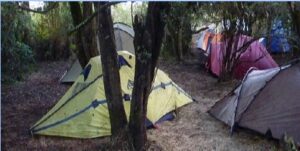
Package comprehensiveness affects true cost and value. Quality packages include all park and conservation fees (approximately 800 USD per climber), camping fees, rescue fees, professional guide and assistant guide services, porter team, quality camping equipment, three nutritious varied meals daily plus snacks, purified drinking water, airport transfers, pre-climb briefing, and emergency coordination. Budget operators exclude crucial elements, creating surprise costs or compromised service. Get detailed written breakdowns of all inclusions and exclusions before committing.
Food quality significantly impacts morale, energy, and summit success. Better operators provide varied, nutritious meals with fresh ingredients, accommodating dietary restrictions and preferences. Poor operators serve repetitive, uninspiring food that becomes increasingly unappealing as altitude suppresses appetite. Recent client reviews focusing on food quality provide valuable insights—this seemingly minor detail dramatically affects your daily experience.
Group size dynamics influence your experience. Smaller groups of 4-8 climbers receive more personalized attention and move more efficiently. Larger groups may offer slight cost savings but slow to accommodate the slowest members and complicate camp logistics. Private climbs provide maximum flexibility and customization at premium cost. Consider your preferences regarding social dynamics and efficiency when selecting group size.
Financial Planning and Hidden Costs
Comprehensive financial planning ensures no surprise expenses derail your Kilimanjaro climb preparation. Understanding the complete cost structure enables realistic budgeting and informed decision-making.
Climbing package costs range dramatically from 1,500 USD for budget five-day climbs to over 6,000 USD for premium nine-day expeditions. This variance reflects differences in route length, guide experience, food quality, equipment standards, group size, and crucially, porter treatment and safety infrastructure. Park fees alone exceed 800 USD, meaning rock-bottom pricing necessarily compromises on guide quality, safety equipment, or porter welfare. Mid-range quality operators charging 2,500-3,500 USD typically provide good value balancing cost and quality. Premium operators above 4,000 USD offer superior service, smaller groups, and enhanced comfort.
International flights to Kilimanjaro International Airport typically cost 700-1,500 USD from Europe or North America depending on season, booking timing, and routing. Book several months in advance for best pricing, building in buffer days for potential delays that could affect climb scheduling.
Travel insurance covering high-altitude trekking and emergency evacuation is mandatory, costing 100-300 USD depending on coverage limits and trip duration. Standard travel insurance excludes mountaineering activities—verify your policy explicitly covers trekking to 6,000 meters and helicopter evacuation. Helicopter rescue from Kilimanjaro exceeds 10,000 USD, making proper insurance essential rather than optional.
Tipping represents substantial additional expenses often overlooked during planning. Budget 250-400 USD distributed among your guide team according to established guidelines reflecting their effort and your satisfaction. This isn’t optional gratuity—tips constitute significant crew income and recognize their essential role in your success.
Equipment costs vary based on what you already own. Quality climbing clothing, four-season sleeping bags, waterproof boots, and technical accessories can total 1,000-2,000 USD if purchasing everything new. However, these items support future adventures, making them investments rather than single-use expenses. Rental options exist in Tanzania but quality and fit vary—rent only non-critical items while purchasing boots and other fit-critical gear.
Additional costs include Tanzanian visa (50 USD for most nationalities), vaccinations and prophylactic medications (100-300 USD), pre-climb and post-climb accommodations if not included (30-100 USD per night), meals outside your package, souvenirs, and contingency funds for unexpected expenses. Total trip costs including everything typically range from 4,500-8,000 USD depending on choices throughout planning.
Weather Windows and Seasonal Considerations
Strategic timing aligned with favorable weather patterns dramatically improves your Kilimanjaro climb experience and summit probability. Understanding seasonal patterns enables informed scheduling that balances weather reliability, crowd levels, and personal schedule constraints.
The primary climbing season from late June through October offers the most reliable weather. Clear skies, minimal precipitation, and relatively warm temperatures characterize this period. Stable weather and comfortable conditions make this the busiest season, with trails sometimes feeling crowded and campsites packed, particularly during July and August. Despite crowds, weather reliability and warm temperatures appeal to risk-averse climbers or those scheduling around northern hemisphere summer holidays.
The secondary season from late December through February provides another excellent window. Colder temperatures create crisp, clear conditions with exceptional visibility. Fresh snow at higher elevations adds scenic beauty while requiring extra warmth during summit night. This period sees moderate traffic except during Christmas and New Year weeks. Many experienced climbers prefer this season for its combination of good weather and relative solitude compared to mid-year peaks.
The long rains from March through May bring heavy sustained precipitation making trails muddy, equipment wet, and views obscured. Success rates drop significantly as deteriorating conditions discourage summit attempts. Avoid these months unless inflexible schedule constraints force it—weather compromises rarely justify modest price savings offered during this period.
The short rains in November bring lighter, intermittent precipitation. Weather is less predictable than dry seasons but substantially better than long rains. Significantly reduced crowds and lower prices appeal to flexible travelers accepting some weather uncertainty. This shoulder season represents reasonable compromise for those unable to travel during optimal dry seasons.
Route-specific weather patterns affect seasonal planning. The Rongai Route’s northern location receives substantially less rainfall, remaining viable during wetter months when southern routes become unpleasant. Consider this route flexibility if scheduling cannot accommodate optimal seasons.
Conclusion
A Kilimanjaro climb transcends simple adventure tourism, offering a profound journey testing physical limits, mental resilience, and adaptability while immersing you in one of Earth’s most spectacular natural environments. The mountain’s democratic accessibility—requiring determination and preparation rather than technical expertise—makes summit success achievable for committed individuals regardless of mountaineering background. Yet this accessibility masks genuine difficulty, with altitude, sustained multi-day effort, and extreme conditions creating challenges that eliminate approximately one-third of attempts. Success demands comprehensive preparation spanning months of physical training, strategic route selection, quality equipment, ethical operator partnership, and mental conditioning for summit night’s ultimate test.
The rewards extend far beyond summit photos and social media posts. Traversing five ecological zones compresses extraordinary environmental education into a single week, while sustained exertion at extreme altitude reveals personal capabilities and limitations with unusual clarity. Summit night’s dark hours, when cold, altitude, and exhaustion converge to test resolve, forge confidence and self-knowledge applicable throughout life. Whether you stand atop Uhuru Peak savoring panoramic African vistas or turn back having given maximum effort, you return transformed—more aware of your strength, more appreciative of nature’s power, and more confident facing future challenges. For those ready to invest genuine preparation and embrace authentic challenge, a Kilimanjaro climb delivers life-changing experiences justifying every demanding step.
Key Takeaways
- Route duration directly determines success probability: eight to nine-day routes achieve 90-95% success versus 60-65% for five-day routes through superior acclimatization time.
- Begin structured training four to six months before departure, emphasizing cardiovascular endurance through progressive hiking, leg strengthening, and mental preparation for extreme conditions.
- Altitude management through gradual ascent, 4-5 liters daily hydration, and honest symptom communication matters more than raw fitness for summit success.
- Invest in quality three-layer clothing systems, four-season sleeping bags rated to -20°C, waterproof insulated boots, and trekking poles for managing 50-degree temperature variations.
- Operator selection based on safety credentials, KPAK certification for ethical porter treatment, and comprehensive package inclusions outweighs price considerations for success and safety.
- Summit night requires mental strategies for managing extreme cold, altitude effects, darkness, and extraordinarily slow “pressure breathing” pace over 5-7 hours.
- Budget 4,500-8,000 USD total including flights, climbing packages, mandatory insurance, tips, equipment, visas, and contingency funds for realistic planning.
- Travel insurance explicitly covering high-altitude trekking to 6,000 meters and helicopter evacuation is mandatory—rescue operations can exceed 10,000 USD.
- Optimal climbing windows are late June-October for warmest weather (but crowded) and late December-February for cold, clear conditions with moderate crowds.
- Recognize that 35% of climbers don’t summit—turning back due to altitude symptoms demonstrates wisdom rather than weakness, with many succeeding on return attempts.
Frequently Asked Questions
What makes Kilimanjaro different from other major mountains?
Kilimanjaro stands as the world’s tallest free-standing mountain, rising independently from surrounding plains rather than emerging from a range. This creates dramatic visual impact and unique weather patterns. More importantly, Kilimanjaro requires no technical climbing skills—no ropes, ice axes, or mountaineering experience necessary. This accessibility makes it achievable for determined individuals with proper preparation, unlike technical peaks requiring years of skill development. The journey through five distinct ecological zones provides unique educational value unavailable on most peaks.
How difficult is a Kilimanjaro climb compared to other treks?
Kilimanjaro presents greater difficulty than popular treks like Everest Base Camp, Inca Trail, or Tour du Mont Blanc primarily due to altitude—you climb 1,000+ meters higher than those treks. The multi-day sustained effort at extreme altitude where oxygen is roughly half sea-level values creates challenges even for fit individuals. However, no technical skills are required, making it less difficult than any technical climbing. Think of it as more challenging than famous treks but more accessible than technical mountaineering.
Can I train for Kilimanjaro if I live at sea level?
Yes, most successful Kilimanjaro climbers train at sea level. While altitude training provides advantages, it’s not essential for success. Focus on building cardiovascular endurance through hiking, running, and cycling, plus leg strength through resistance training. Weekend long hikes with weighted packs provide the most specific preparation. While you can’t replicate altitude at sea level, you can build the fitness foundation that enables effective acclimatization during the climb itself.
What are the most common reasons people don’t summit?
Altitude sickness causes approximately 75% of failed summit attempts. Rapid ascent routes that don’t allow adequate acclimatization time produce higher failure rates. Other common reasons include inadequate physical preparation leading to excessive fatigue, extreme cold during summit night causing hypothermia risk or simply unbearable discomfort, and psychological factors—some climbers simply cannot push through the mental challenge of summit night despite adequate physical capacity. Choosing longer routes with better acclimatization dramatically reduces failure risk.
How do I choose between Machame, Lemosho, and Northern Circuit routes?
Consider your priorities: Machame (6-7 days) offers good value with 80-85% success rates, spectacular scenery, and moderate cost, but expect crowds. Lemosho (7-8 days) provides exceptional scenery, remote initial sections, 90%+ success rates, and more wilderness atmosphere at moderate premium pricing. Northern Circuit (8-9 days) delivers maximum success probability (95%+), complete circumnavigation showcasing all mountain aspects, and ultimate acclimatization at premium pricing. Choose based on your timeline flexibility, budget, and whether you prioritize success probability or cost efficiency.
Is travel insurance for Kilimanjaro really necessary?
Absolutely essential—this is non-negotiable. Helicopter evacuation from Kilimanjaro costs 10,000-15,000 USD without insurance. Standard travel insurance excludes mountaineering activities, requiring specialized high-altitude coverage explicitly including trekking to 6,000 meters and emergency evacuation. Don’t attempt Kilimanjaro without proper coverage—the financial risk is catastrophic if you need rescue. Budget 100-300 USD for appropriate insurance as mandatory expense, not optional extra.
What if I can only afford a budget operator?
Extremely budget operators (under 2,000 USD) necessarily compromise on safety equipment, guide experience, or porter treatment—park fees alone exceed 800 USD, leaving minimal margins. These compromises risk your safety, comfort, and summit success. Consider saving longer for a mid-range quality operator (2,500-3,500 USD) rather than risking budget compromises. Your life and the welfare of porters carrying your gear justify the investment. Alternatively, choose a shorter route reducing costs while maintaining quality standards.
Can I climb Kilimanjaro solo or do I need a group?
Tanzanian regulations require all climbers to use licensed guide services—independent climbing isn’t permitted. However, you can book as a solo client either joining an established group or arranging a private climb where you’re the only client with a dedicated guide team. Private climbs cost significantly more but provide maximum flexibility and personalized attention. Joining a group reduces costs while providing social dynamics and shared experience—most solo travelers successfully join compatible groups.
What’s the best way to prevent altitude sickness?
Choose routes with optimal acclimatization profiles—seven to nine-day routes dramatically outperform shorter routes. Ascend gradually following the “climb high, sleep low” principle. Drink 4-5 liters daily regardless of thirst. Avoid alcohol and sleeping pills which impair breathing. Consider Diamox medication after consulting your physician. Most importantly, communicate honestly with guides about symptoms—don’t minimize discomfort from fear of being sent down. Early intervention prevents progression to serious conditions.
How long does it take to recover after a Kilimanjaro climb?
Expect 3-5 days for acute fatigue to resolve, with full recovery taking 1-2 weeks. Many climbers schedule safari or beach relaxation immediately following their climb, finding the passive recovery ideal after intense exertion. Your legs, particularly quads and knees, will be sore from steep descents. Sleep quality improves dramatically at lower elevation. Appetite returns within days as your body recovers from altitude effects. Plan at least 2-3 rest days before returning to normal activity or flying home.